What basic economy actually takes away
Basic economy is the same seat in the same cabin with the conveniences stripped out. Depending on the airline, you lose free seat selection, you board last, you may lose carry-on or checked bag allowances, and changes are restricted or barred. The fare exists to win price comparisons, then claw the difference back in fees.
The restrictions vary meaningfully by airline, and they change, so check the current rules for the carrier you are booking. The pattern is constant even when the details move: the airline is betting you will pay fees that exceed the fare gap. Your job is to make that bet lose.
The checked bag math
Bag fees are where basic economy hurts most, and where a card kills the pain fastest. The mainline airline cards from Delta, United, and American all include a free first checked bag on that airline for the cardholder and companions on the same reservation, even on cheap fares. With round-trip bag fees commonly running $70 or more per person, the math gets decisive fast.
A couple checking bags on three round trips a year can save several hundred dollars against an annual fee around a hundred. The card pays for itself on bags alone, before counting priority boarding or the welcome offer. JetBlue's Plus card runs the same play for JetBlue flyers.
One warning: bag benefits typically require paying with the card or having the loyalty number on the reservation, and rules differ by airline. Read your card's terms once so the benefit actually fires at the airport.
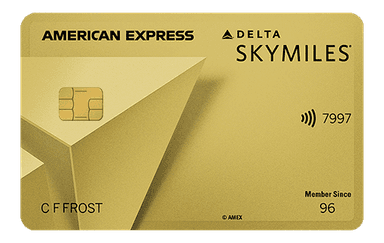
- ▸Delta SkyMiles Gold: first bag free on Delta for your party
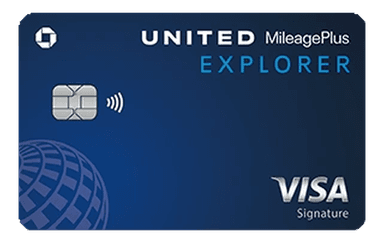
- ▸United Explorer: first bag free on United, requires paying with the card
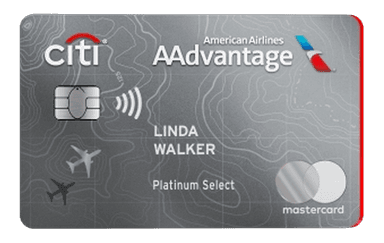
- ▸Citi AAdvantage Platinum Select: first bag free on American domestic itineraries
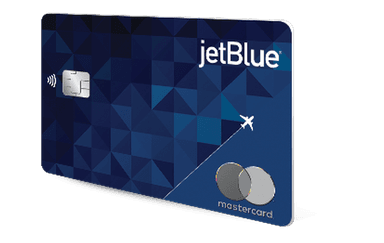
- ▸JetBlue Plus: first bag free on JetBlue
Boarding and the carry-on problem
Basic economy boards last, and on full flights last boarding means gate-checking your carry-on. Airline cards solve this too. Most mainline airline cards include priority or earlier-group boarding, which gets you on the plane while overhead space still exists.
On United, this matters even more. United's basic economy restricts you to a personal item only, with no full-size carry-on unless you hold status or a qualifying United card. For a United flyer, the Explorer card converts the airline's harshest basic economy into something close to a normal ticket.
Seat selection without paying for it
Seat fees are the trap with the easiest workaround. Basic economy usually assigns seats at check-in or charges for advance selection. If you are traveling alone and do not care where you sit, assign-at-check-in costs you nothing. Decline the fee and take the middle seat risk.
Traveling as a pair or family changes the calculus. Airlines have policies aimed at seating young children with an adult, but relying on gate agents is a plan built on hope. Some carriers also release free seat selection on basic fares closer to departure, so checking in the moment the window opens is the free move that most often works.
If sitting together is non-negotiable and the seat fees stack up, that cost belongs in the fare comparison, which is the real decision this guide is about.
When to just buy the regular fare
Run the comparison as one number: basic fare plus every fee you will actually pay, against the regular economy fare. With a card waiving bags and granting boarding, basic economy often wins clean. Without one, a single checked bag each way frequently erases the entire gap.
Regular economy also keeps flexibility. Basic fares are typically non-changeable, and same-day options are restricted. If there is any real chance your plans move, the fare difference is buying a change policy, and that is often the best thing it can buy.
The decision rule is simple. Card plus basic when you control the fees and the plan is firm. Regular fare when the fee gap is small or the plan is soft. Either way, decide with arithmetic instead of letting the airline decide for you at the gate.
The bigger point
Airline cards are usually pitched on miles. For most people, the unglamorous benefits are the actual product: bags, boarding, and the ability to buy the cheapest fare on the screen without flinching. A mid-tier airline card held for the airline you actually fly turns basic economy from a trap into a discount.
Match the card to your dominant airline, run the bag math for your household, and let the welcome offer be a bonus rather than the reason.