Cruises usually code as travel, but verify before you book
Most major cruise lines code their charges under travel merchant categories. That means a card with a broad travel earning category will usually pay its travel rate on a cruise booking. The word that matters is usually. Issuers define travel differently, and a few exclude or narrow categories in ways that catch cruisers off guard.
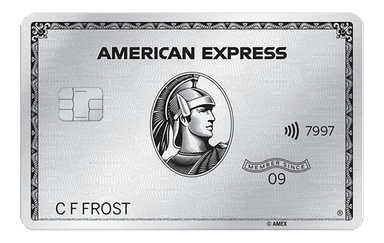
Chase defines travel broadly, and cruise lines are explicitly included in its travel category. Capital One's general travel earning on cards like the Venture applies to all purchases, so coding never matters. American Express is the issuer to watch. The Amex Platinum earns its 5x rate only on flights booked directly with airlines or through Amex Travel and on prepaid hotels through Amex Travel. A cruise booked directly with the line earns 1x on the Platinum.
The practical move is simple. Before you put a five thousand dollar cruise on a card, confirm how that specific card treats cruise line purchases. A two minute check can be the difference between earning 1x and earning 2x or more on one of the largest single travel purchases most people make all year.
- ▸Chase Sapphire Reserve and Preferred: cruise lines count as travel
- ▸Capital One Venture X and Venture: flat earning on everything, coding irrelevant
- ▸Amex Platinum: 5x does not apply to direct cruise bookings, expect 1x
- ▸Citi Strata Premier: cruise lines generally fall under its travel categories, confirm before booking
Booking through issuer travel portals
Chase Travel and Capital One Travel both sell cruises, and portal bookings typically earn elevated rates because the issuer treats its own portal as a premium category. For a large booking, the difference between a base travel rate and a portal rate compounds quickly.
Portals come with tradeoffs covered in depth in our portal guide, but cruises are a category where the usual objections are weaker. Cruise lines do not run elite night credits the way hotels do, so you give up less by booking through a third party. You still want the cruise line to see your loyalty number so sailings credit to your cruise line status.
One caution applies. If something goes wrong with a portal cruise booking, you are dealing with the portal's support desk rather than the cruise line directly. For complex itineraries, group bookings, or specific cabin requests, booking direct or through a dedicated cruise travel agent often serves you better than chasing an extra point per dollar.
The onboard spend question
Your onboard account settles to the card you registered at check in, usually as one or more charges from the cruise line after the sailing. Because the merchant is the cruise line, those charges typically code as travel too. The card that earned well on your booking generally earns well on your bar tab, specialty dining, and shore excursions booked through the ship.
This is worth planning before you board. Many travelers register a debit card or an old cash back card out of habit and leave hundreds of points on the table. Set the onboard account to your best travel earner during online check in and you do not have to think about it again.
Foreign transaction fees matter here too. Some lines process onboard charges through foreign entities depending on the ship's registry and itinerary. A card with no foreign transaction fee removes that variable entirely, which is one more reason the major travel cards beat a basic cash back card at sea.
Travel protections that actually matter on a cruise
A cruise is the trip type where card travel protections earn their keep. Miss the ship because your flight was delayed and you are paying your own way to the next port. Trip delay and trip cancellation coverage on cards like the Chase Sapphire Reserve, Chase Sapphire Preferred, and Capital One Venture X can reimburse covered expenses when a covered reason disrupts your trip, subject to each card's terms.
The key is that the trip must be paid with the card carrying the coverage, or in some cases with points from that card's program. Splitting a cruise booking across multiple cards to spread spend can muddy a future claim. Put the full fare on the card whose protections you want.
Read the guide to benefits before you sail, not after something goes wrong. Coverage terms define what counts as a covered reason, how long a delay must last, and what expenses qualify. Cards do not replace standalone travel insurance for medical coverage or evacuation, which matter more at sea than almost anywhere else. For expensive sailings, pairing card protections with a dedicated policy is the conservative play.
Our picks for cruise spend
For most cruisers, the Chase Sapphire Reserve is the strongest single card. Cruise lines earn its travel rate, the protections are the benchmark in the industry, and the annual travel credit offsets cost. The Sapphire Preferred delivers most of the same logic at a lower fee for occasional cruisers.
The Venture X is the simplest answer. Flat earning means the booking, the onboard account, the flights to the port, and the pre cruise hotel all earn the same way with no category checking. Its protections are credible, and the fee math works for anyone who uses its travel credit.
The card to avoid for direct cruise bookings is the one many premium travelers reach for first. The Amex Platinum is a lounge and credits card, not a cruise earning card. Bring it for the airport on the way to the port, then pay for the cruise with something else.