The annual shuffle moved more properties up than down
Every March, World of Hyatt reassigns hotels across its award categories. The 2026 round followed the pattern of recent years. More properties moved up a category than moved down. That means more of the footprint now prices at higher point levels for the same stay.
This is not a devaluation in the formal sense. The award chart itself did not change. Category 1 still starts at 3,500 points off-peak and the top published categories still cap out where they did. What changed is which hotels sit where on that chart.
The practical effect is the same as a quiet price increase. A hotel that cost 15,000 points per night last year may now cost 20,000 or more. Multiply that across a five night trip and the gap is real.
Book before the changeover, not after
Hyatt honors the category in effect at the time of booking, not the time of stay. That single rule is the entire playbook. When changes are announced, you get a window before they take effect. Any award booked in that window locks the old price, even for stays months later.
The 2026 window has passed, but the lesson carries forward. Hyatt announces these changes every year, usually with a few weeks of lead time. If you have flexible plans at a property moving up, book it speculatively. Hyatt awards are generally cancelable, so a refundable booking at the old rate costs you nothing if plans change.
Hotels that moved down work the opposite way. If you booked before the change at a property that dropped a category, cancel and rebook at the new lower rate. Check your existing reservations after every changeover.
- ▸Awards lock the category at booking, not at check-in
- ▸Speculative refundable bookings before a changeover are free options
- ▸Rebook any existing award at a property that moved down
Why the Category 1-4 certificate matters more now
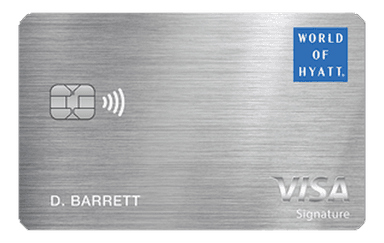
The World of Hyatt Credit Card issues a free night certificate good at Category 1 through 4 properties every cardmember anniversary. When categories creep upward, two things happen to that certificate at once.
First, some hotels you could book with it last year are now Category 5 and out of reach. The certificate's footprint shrinks slightly with every upward migration. Second, and more importantly, the hotels that remain in Category 4 now sit closer to the top of what the certificate covers. A Category 4 night can run 12,000 to 18,000 points depending on season. Cash rates at those properties often clear 250 dollars. The certificate covers all of it.
Put simply, category inflation makes points more expensive while the certificate's value stays anchored to whatever a Cat 4 night costs. That spread widened this year. If you hold the card, treat the certificate as the single most valuable thing it produces and plan a stay around it.
Earning your way around the increases
If your target property moved up, you need more points than you planned. The fastest route for most people is a transfer from Chase Ultimate Rewards, which moves to Hyatt at 1:1 and usually lands within minutes. The Sapphire Reserve earns those points at scale. Bilt also transfers to Hyatt at 1:1 and earns on rent with no annual fee.
The Hyatt card itself helps in two quieter ways. Spend on the card counts toward elite qualifying nights, and milestone rewards add bonus points as you climb. Neither replaces a transfer for a big redemption, but they compound over a year.
The wrong answer is buying points at full price to chase a property that just got more expensive. Run the math against the cash rate first. Category inflation makes some awards bad deals, and walking away is allowed.
The bottom line
Hyatt remains the strongest hotel currency in the game, and one round of category creep does not change that. But the direction of travel is clear and it only goes one way.
Book ahead of changeovers, audit your reservations after them, and put the Cat 1-4 certificate to work every single year. Cardholders who let certificates expire are funding everyone else's free nights.