Why portals exist and why issuers push them
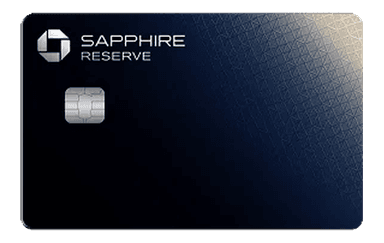
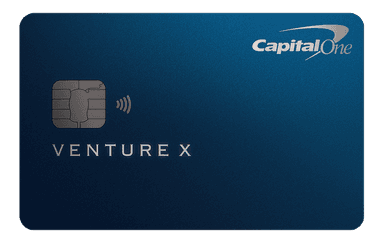
Issuer portals are online travel agencies wearing the bank's logo. When you book through Chase Travel, Capital One Travel, or Amex Travel, the issuer earns agency revenue, and it shares some of that with you as bonus points. That is why portal bookings often earn the highest multipliers a card offers.
The bonus is real, but it is compensation for something. Portal bookings convert you from the airline or hotel's direct customer into an agency customer. Everything that follows, good and bad, flows from that change in who owns your reservation.
Where portals genuinely win
Flights are the strongest portal case. Airlines generally honor loyalty earning and elite benefits on agency bookings made in standard fare classes, so a portal flight usually still earns your miles and elite credit while collecting elevated card earning. Premium cards lean into this with their highest multipliers on portal flights.
Required credits are the second case. Several premium cards issue travel credits that only trigger on portal bookings, or price certain portal redemptions at a premium rate. If the card you hold ties value to its portal, using the portal for simple bookings is just collecting what you paid for.
Simple, cheap, and refundable bookings are the third case. A one way domestic flight or a budget hotel for a single night carries little elite or flexibility downside. Take the bonus points and move on.
- ▸Portal flights in normal fare classes usually still earn airline miles and elite credit
- ▸Use the portal when your card's credits or redemption boosts require it
- ▸Low stakes bookings are fine in portals: short, cheap, refundable
Where booking direct wins, and it is not close
Hotels are the clearest direct booking case. Major hotel programs treat third party bookings as ineligible for elite night credit, points earning, and often elite benefits like upgrades and late checkout. A portal hotel booking can turn a Hyatt or Marriott stay into a generic room where your status is invisible. If you care about hotel status at all, book chain hotels directly.
Anything that might change should also be booked direct. When schedules shift or plans fall apart, an agency booking puts a middleman between you and the airline or hotel. The provider tells you to call the portal, the portal holds, and the easy change becomes an afternoon. Direct bookings get handled in the provider's own app in minutes.
Complex itineraries, prepaid stays you might cancel, and travel during disruption prone seasons all argue for direct. The bonus points on a portal booking are worth a fixed, small amount. The cost of losing flexibility is unbounded.
A simple decision framework
You do not need to relitigate this for every booking. A few questions settle it.
- ▸Is it a chain hotel where you hold or want status? Book direct, always
- ▸Does your card's credit or boosted redemption require the portal? Use the portal
- ▸Is it a simple flight in a regular fare class? Portal is fine, confirm your loyalty number attaches
- ▸Could the plans change? Book direct
- ▸Is the portal price higher than direct? Stop, the bonus points rarely cover a price gap
Check the price, every time
Portal pricing usually matches direct pricing, but not always, and discrepancies run in both directions. A portal price ten dollars higher than direct typically erases the bonus point advantage on a modest booking. Compare in a second tab before paying, and do the math at the value you actually get from the points.
The honest summary: portals are a tool for collecting earning on simple travel, not a default booking channel. The travelers who get burned are the ones who portal booked a status stay or a fragile itinerary for a handful of extra points. Earn where it is free to earn, and pay for flexibility where flexibility has value.