
Discover it Secured vs Capital One Platinum Secured
By Alex Compton · Updated
The Discover it Secured and Capital One Platinum Secured are the two best secured cards for building or rebuilding credit, and they optimize different constraints. Discover pays real rewards and doubles them in year one. Capital One minimizes the cash you must lock up, sometimes just $49. The right pick depends on whether your binding constraint is money or momentum.
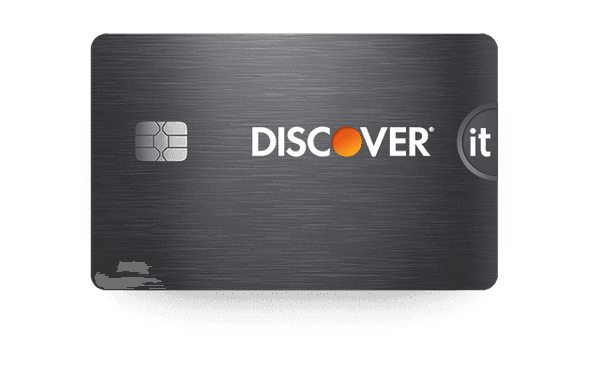
Discover it Secured
Discover
- Our rating
- 7.5/10
- Welcome bonus
- $0 cash
- Bonus value
- ≈$0
- Annual fee
- $0
- Credits, max/yr
- $0
- Foreign txn fee
- None
Top earning rates
- 2x Gas stations and restaurants
- 1x Everything else

Capital One Platinum Secured
Capital One
- Our rating
- 6.8/10
- Welcome bonus
- $0 cash
- Bonus value
- ≈$0
- Annual fee
- $0
- Credits, max/yr
- $0
- Foreign txn fee
- None
Top earning rates
- 0x No rewards: this card is purely for building credit
Where Each Wins
Deposit required
TieCapital One may secure a $200 line for a deposit of $49, $99, or $200 depending on your profile, the cheapest entry in the category. Discover now uses the same $49, $99 or $200 deposit tiers, set by creditworthiness, so neither lets you choose.
Rewards
Discover it SecuredThe Discover earns 5% in rotating quarterly categories when activated (up to the quarterly maximum) and 1% elsewhere, then Cashback Match doubles everything in year one. The Capital One earns nothing at all.
Graduation path
TieBoth return your deposit and convert you to an unsecured card on good behavior; Capital One considers line increases in as little as 6 months, and Discover upgrades you to the Discover it Cash Back. Both report to all three bureaus.
Fees
TieNeither charges an annual fee or foreign transaction fee.
Acceptance
Platinum SecuredCapital One runs on Mastercard, accepted everywhere. Discover's network has gaps abroad, though for a US-based credit builder this rarely matters.
The Compound Verdict
If you can handle the deposit Discover assigns, take the Discover: it is the only secured card that behaves like a real rewards card, and the year-one Match on 5% rotating categories is free money no competitor offers while you build. If cash is genuinely tight, both issuers may offer a $49 deposit tier, but Capital One's no-rewards card is the plainer fallback if Discover declines you. Either way, the plan is identical: small charges, on-time payments in full, graduate, get the deposit back.
Our ratings give it to the Discover it Secured (7.5 vs 6.8). On current welcome offers, the Discover it Secured brings the bigger first-year haul at ≈$0.
Read the full reviews for the complete math: Discover it Secured review and Platinum Secured review, or put them side by side in the comparison tool.
Common Questions
Which secured card builds credit faster?
Neither, credit building speed depends on your payment behavior, not the card. Both report to all three bureaus monthly and both offer a path to an unsecured card with the deposit back. Pick on deposit flexibility (Capital One) versus rewards while you build (Discover).
How does Capital One decide the $49 deposit?
Capital One assigns your deposit tier, $49, $99, or $200 for a $200 starting line, based on your application profile; you cannot choose it. Some applicants with limited-but-clean history get $49; others must post the full $200. Discover now uses the same three deposit tiers.
When do I get my security deposit back?
At graduation: both issuers review secured accounts (Capital One considers line increases from 6 months) and convert good payers to unsecured cards, refunding the deposit. Consistent on-time payments and low utilization are what trigger it.