
Chase Freedom Rise vs Discover it Secured
By Alex Compton · Updated
The Freedom Rise and Discover it Secured are the two smartest first cards, solving the same problem from opposite sides. The Rise is unsecured, no deposit, built for thin files entering the Chase ecosystem. The Discover requires $200 down but earns real rewards and doubles them in year one. The choice usually comes down to approval reality and long-term plans.
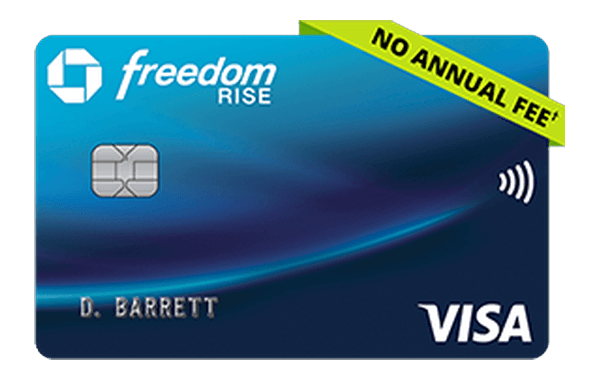
Chase Freedom Rise
Chase
- Our rating
- 7.5/10
- Welcome bonus
- Under review
- Bonus value
- Withheld
- Annual fee
- Under review
- Credits, max/yr
- Under review
- Foreign txn fee
- Under review
Top earning rates
- Under review
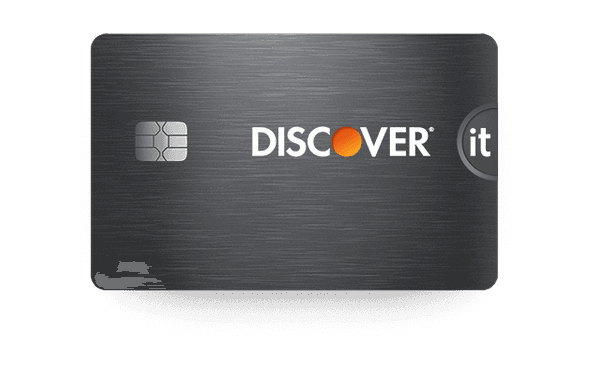
Discover it Secured
Discover
- Our rating
- 7.5/10
- Welcome bonus
- Under review
- Bonus value
- Withheld
- Annual fee
- Under review
- Credits, max/yr
- Under review
- Foreign txn fee
- Under review
Top earning rates
- Under review
Where Each Wins
Deposit
RiseThe Rise is unsecured: no money locked up. The Discover requires a refundable deposit starting at $200.
Rewards
Discover it SecuredThe Discover earns 2% at gas stations and restaurants (capped quarterly) plus 1% everywhere, all doubled by year-one Cashback Match. The Rise earns a flat 1.5% with a token $25 autopay enrollment credit.
Approval accessibility
Discover it SecuredDiscover approves applicants with no credit history at all, the deposit removes the risk. The Rise targets limited-history applicants and favors those holding $250+ in a Chase checking account; it is a maybe where the Discover is nearly a yes.
Long-term ecosystem
RiseThe Rise earns real Ultimate Rewards and upgrades along the Freedom path, so points earned in year one can eventually pool with a Sapphire and transfer to Hyatt or United. Discover cash is cash forever.
Graduation mechanics
TieBoth issuers review automatically: Chase for upgrades to full Freedom cards, Discover for unsecured graduation and deposit return from 7 months. Both report to all three bureaus.
The Compound Verdict
If Chase approves you, take the Rise, especially if you bank with Chase already: no deposit, a real 1.5% rate, and a straight road into the most valuable card ecosystem in the country. If the Rise declines you or you have zero history, the Discover it Secured is the best on-ramp ever built, with rewards and a doubled first year no other builder card touches. Either way, the credit-building routine is the same, and in two years both roads lead to the same premium card approvals.
Our ratings score these dead even. The right pick depends on your spending. Current welcome-offer comparisons are withheld until both official-source checks are refreshed.
Read the full reviews for the complete math: Rise review and Discover it Secured review, or put them side by side in the comparison tool.
Common Questions
Can I get the Freedom Rise with no credit history?
Chase designed it for limited or no history, and approval odds improve meaningfully if you hold $250 or more in a Chase checking account before applying. It is still an unsecured underwriting decision; applicants with nothing on file sometimes need the secured route first.
Is a secured card bad for building credit?
Not at all, it reports identically to an unsecured card; bureaus do not penalize the deposit. The Discover it Secured builds the same payment history while paying 2% on gas and dining, and the deposit comes back at graduation. What matters is on-time payments and low utilization, on either card.
Which should a college student pick?
A student with any Chase relationship should try the Rise first: no deposit and a future in Ultimate Rewards. If declined, the Discover it Secured (or Discover's student cards) is the standard fallback, and its year-one Cashback Match makes the consolation prize arguably the better deal.