
Apple Card vs Citi Double Cash
By Alex Compton · Updated
The Apple Card and Citi Double Cash both target people who want one simple free card, and they define simple differently. The Double Cash pays a flat 2% on everything, everywhere, however you pay. The Apple Card pays 2% only through Apple Pay, 3% at Apple and select partners, and 1% when the physical card comes out. The comparison is really about how you pay at the register.
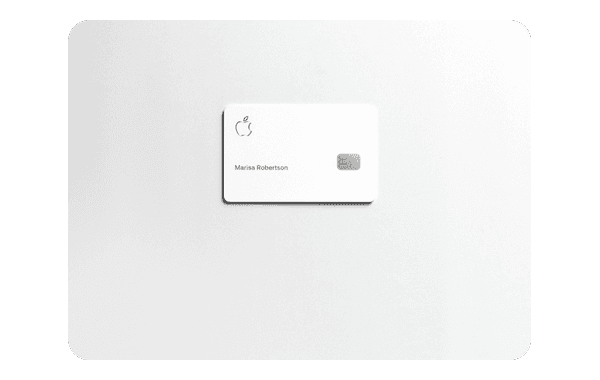
Apple Card
Goldman Sachs
- Our rating
- 7.5/10
- Welcome bonus
- $0 cash
- Bonus value
- ≈$0
- Annual fee
- $0
- Credits, max/yr
- $0
- Foreign txn fee
- None
Top earning rates
- 3x Apple and select Apple Pay merchants
- 2x All Apple Pay purchases
- 1x Physical card purchases
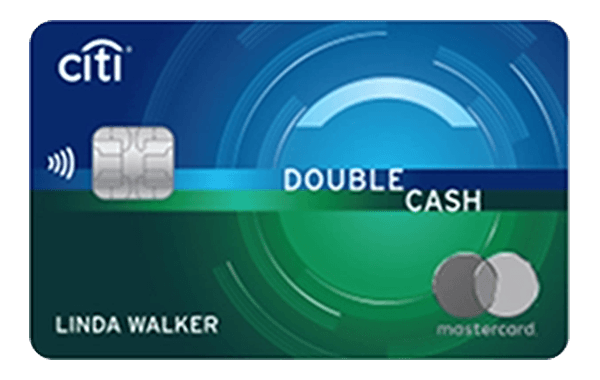
Citi Double Cash
Citi
- Our rating
- 8.3/10
- Welcome bonus
- 20,000 points
- Bonus value
- ≈$200
- Annual fee
- $0
- Credits, max/yr
- $0
- Foreign txn fee
- 3%
Top earning rates
- 5x Hotels, car rentals & attractions through Citi Travel
- 2x Everything (1% buy + 1% pay)
Where Each Wins
Headline rate
Double CashThe Double Cash's 2% applies to every purchase unconditionally. The Apple Card's 2% requires Apple Pay; swipe or dip the titanium card and you earn 1%.
Where each wins
Apple CardAt Apple and current select partners like Uber and Nike, the Apple Card's 3% beats anything the Double Cash offers, and 0% Apple product financing is a real perk for upgraders.
Fees
Apple CardThe Apple Card charges no fees of any kind: no annual, no late, no foreign transaction. The Double Cash charges 3% abroad.
Cash mechanics
Apple CardDaily Cash lands the day after purchase and can auto-sweep into a linked high-yield savings account. Double Cash rewards accrue on the statement cycle.
Points ceiling
Double CashDouble Cash rewards are secretly ThankYou points, unlockable into airline transfers beside a Citi Strata. Apple Daily Cash is cash forever.
Welcome bonus
Double CashThe Double Cash pays $200; the Apple Card has never offered a public welcome bonus and there is no reason to wait for one.
The Compound Verdict
If Apple Pay is how you already pay for nearly everything, the Apple Card is a legitimate primary: an effective 2% with zero fees anywhere, instant cash, and automatic savings compounding. The moment your spending regularly hits card-not-supported terminals, gas pumps, small merchants, most of the world outside metro tap-to-pay, the Double Cash's unconditional 2% wins, and its ThankYou upgrade path gives it a future the Apple Card lacks. Phone-tappers take Apple; everyone else takes the flat 2%.
Our ratings give it to the Citi Double Cash (8.3 vs 7.5). On current welcome offers, the Double Cash brings the bigger first-year haul at ≈$200.
Read the full reviews for the complete math: Apple Card review and Double Cash review, or put them side by side in the comparison tool.
Common Questions
Is the Apple Card's 2% as good as the Double Cash's 2%?
Only where Apple Pay is accepted. The Apple Card drops to 1% on physical-card swipes, and enough of the world still requires them that most people's blended rate lands under 2%. The Double Cash pays 2% regardless of how you pay.
What are the Apple Card's real advantages?
Zero fees of any kind including foreign transactions, 3% at Apple and partners like Uber and Nike, Daily Cash that arrives next-day and auto-deposits into a high-yield savings account, 0% financing on Apple hardware, and the best spending interface in the business inside Wallet.
Should I worry about the Apple Card's issuer change?
Goldman Sachs has been exiting the partnership, and servicing is expected to transition to a new issuer. Terms could evolve, but the card keeps working through any handover, and existing cardholders will be notified of changes. It is a reason to watch the mail, not a reason to avoid the card.