
Prime Visa vs Citi Double Cash
By Alex Compton · Updated
The Prime Visa and Citi Double Cash answer different questions that shoppers ask together: what earns the most at Amazon, and what earns the most everywhere else. The Prime Visa's 5% at Amazon and Whole Foods is untouchable in its lane. The Double Cash's 2% floor covers the rest of life. This comparison is really about whether you need both.
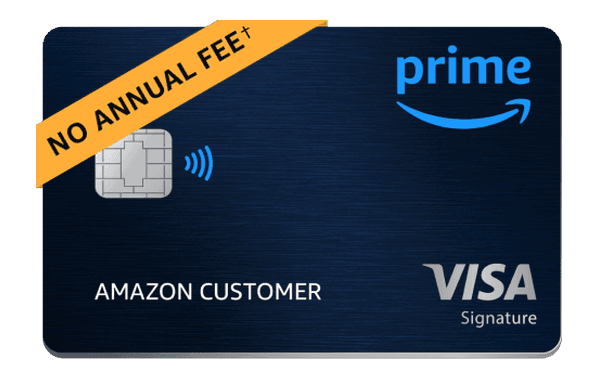
Prime Visa
Chase
- Our rating
- 8.1/10
- Welcome bonus
- Under review
- Bonus value
- Withheld
- Annual fee
- Under review
- Credits, max/yr
- Under review
- Foreign txn fee
- Under review
Top earning rates
- Under review
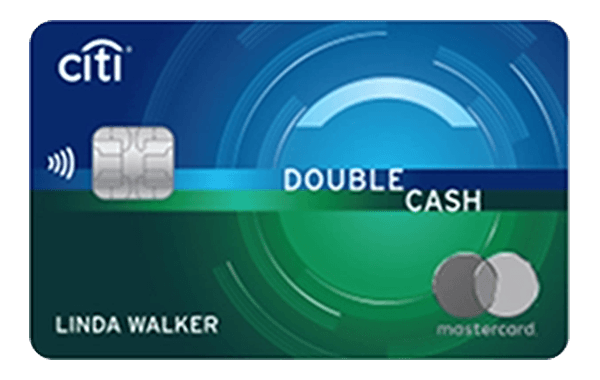
Citi Double Cash
Citi
- Our rating
- 8.3/10
- Welcome bonus
- 20,000 points
- Bonus value
- ≈$200
- Annual fee
- $0
- Credits, max/yr
- $0
- Foreign txn fee
- 3%
Top earning rates
- 5x Hotels, car rentals & attractions through Citi Travel
- 2x Everything (1% buy + 1% pay)
Where Each Wins
Amazon spending
Prime VisaThe Prime Visa pays 5% at Amazon.com, Amazon Fresh, and Whole Foods (with an active Prime membership), plus 10% or more on rotating Amazon promotions. The Double Cash pays its flat 2% there like everywhere else.
Everything else
Double CashThe Double Cash's 2% on all purchases beats the Prime Visa's 1% base and even its 2% gas, restaurant, and transit categories. Off Amazon, the Prime Visa is ordinary.
Welcome bonus
Prime VisaThe Prime Visa hands you a $200 Amazon gift card instantly at approval with zero spend required, the easiest bonus in the market. The Double Cash's $200 takes $1,500 over six months.
Fees
Prime VisaNeither charges an annual fee, but the Prime Visa also skips foreign transaction fees while the Double Cash charges 3%. The Prime Visa's hidden cost: the 5% rate requires paying for Prime.
Points ceiling
Double CashDouble Cash rewards convert to transferable ThankYou points beside a Citi Strata. Prime Visa earnings are Amazon-oriented cash back.
The Compound Verdict
A household spending $200+ a month at Amazon and Whole Foods should hold the Prime Visa; it prints $120+ a year over what any 2% card earns on the same purchases, and the instant $200 gift card is free money. But it is a specialist: pair it with a flat-rate card like the Double Cash for the other 80% of spending. Households whose Amazon habit is lighter can skip the extra card slot and let a 2% card cover everything, keeping the wallet at one card instead of two.
Our ratings give it to the Citi Double Cash (8.3 vs 8.1). Current welcome-offer comparisons are withheld until both official-source checks are refreshed.
Read the full reviews for the complete math: Prime Visa review and Double Cash review, or put them side by side in the comparison tool.
Common Questions
Is the Prime Visa worth it if I already pay for Prime?
Almost automatically, yes. If Prime is a sunk cost, the card adds 5% on spending you already do, with no annual fee and an instant $200 gift card at approval. The only reason to skip it is Chase's 5/24 rule, if you are saving application slots for travel cards.
Does the Prime Visa need a Prime membership?
For the 5% rate, yes; without Prime the card earns 3% at Amazon and Whole Foods. The math of paying for Prime solely to upgrade 3% to 5% only works above about $7,000 of annual Amazon spending, so treat the membership as its own decision.
What should I pair with the Prime Visa?
A flat-rate card for non-Amazon spending: the Double Cash's 2% floor is the classic partner, or the Freedom Unlimited if you are building toward Chase points. The Prime Visa covers the Amazon ecosystem; the flat card covers the world.