
Chase Freedom Unlimited vs Citi Double Cash
By Alex Compton · Updated
The Freedom Unlimited pays 1.5% and the Double Cash pays 2%, so on paper this takes one sentence. But the Freedom Unlimited adds bonus categories the Double Cash lacks, and both cards secretly earn transferable points inside the right ecosystem. The real comparison is Chase's system against Citi's, wearing cash-back masks.
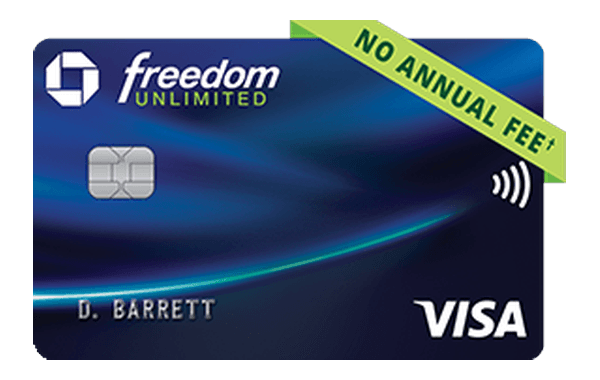
Chase Freedom Unlimited
Chase
- Our rating
- 8.4/10
- Welcome bonus
- 20,000 points
- Bonus value
- ≈$200
- Annual fee
- $0
- Credits, max/yr
- $0
- Foreign txn fee
- 3%
Top earning rates
- 5x Chase Travel purchases
- 3x Dining and drugstores
- 1.5x All other purchases
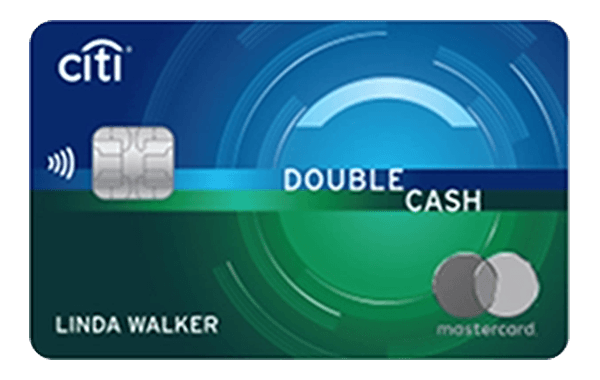
Citi Double Cash
Citi
- Our rating
- 8.3/10
- Welcome bonus
- 20,000 points
- Bonus value
- ≈$200
- Annual fee
- $0
- Credits, max/yr
- $0
- Foreign txn fee
- 3%
Top earning rates
- 5x Hotels, car rentals & attractions through Citi Travel
- 2x Everything (1% buy + 1% pay)
Where Each Wins
Flat rate
Double Cash2% beats 1.5% on unbonused spend, full stop. On $20,000 of everyday spending that gap is $100 a year.
Bonus categories
CFUThe Freedom Unlimited earns 3x on dining and drugstores and 5x on Chase Travel. The Double Cash earns 2% everywhere with no categories at all. Households with normal restaurant spending close most of the flat-rate gap here.
Points ecosystem
CFUBeside a Sapphire Preferred or Reserve, Freedom Unlimited earnings become full Ultimate Rewards with 1:1 Hyatt and United transfers, the strongest upgrade path in cards. The Double Cash performs the same trick with a Citi Strata, into a somewhat weaker partner list.
Welcome bonus
CFUThe Freedom Unlimited pays $200 on $500 of spend; the Double Cash needs $1,500 over six months.
Intro APR
CFUThe Freedom Unlimited carries a 0% intro window on purchases and balance transfers plus purchase protection and extended warranty. The Double Cash's feature list is bare.
The Compound Verdict
Standalone, take the Double Cash: 2% on everything with zero thought beats 1.5% plus categories for most spending mixes. Inside an ecosystem, take the Freedom Unlimited: as the catch-all in a Chase Trifecta its points outvalue the Double Cash's by 30% or more at redemption, and its dining 3x covers the gap on the earn side. The honest tiebreak is one question: will you ever hold a Sapphire? Yes means Freedom Unlimited, no means Double Cash.
Our ratings give it to the Chase Freedom Unlimited (8.4 vs 8.3). On current welcome offers, the CFU brings the bigger first-year haul at ≈$200.
Read the full reviews for the complete math: CFU review and Double Cash review, or put them side by side in the comparison tool.
Common Questions
Why get a 1.5% card over a 2% card?
Ecosystem value. The Freedom Unlimited's 1.5x becomes Ultimate Rewards points worth roughly 2 cents each transferred to Hyatt or United when paired with a Sapphire, an effective 3% on everything. Without that pairing, the Double Cash's flat 2% wins and the question answers itself.
Can I hold both the Freedom Unlimited and Double Cash?
Sure, different banks, no conflict, though their jobs overlap. A cleaner two-card split is one flat-rate floor plus one current category specialist such as Freedom Flex or Citi Strata. Existing Custom Cash holders can still use it in that specialist role.
Which bonus is easier to earn?
The Freedom Unlimited's: $200 for $500 in three months versus the Double Cash's $200 for $1,500 over six. Neither is hard, but the Chase bonus is nearly automatic with normal spending.