
Capital One Quicksilver vs Chase Freedom Unlimited
By Alex Compton · Updated
The Quicksilver and Freedom Unlimited are the two default starter cash-back cards: $0 fee, 1.5% on everything, and a $200 bonus for $500 in spend. The tiebreakers are what each earns beyond the base rate and which bank's ecosystem you might grow into.
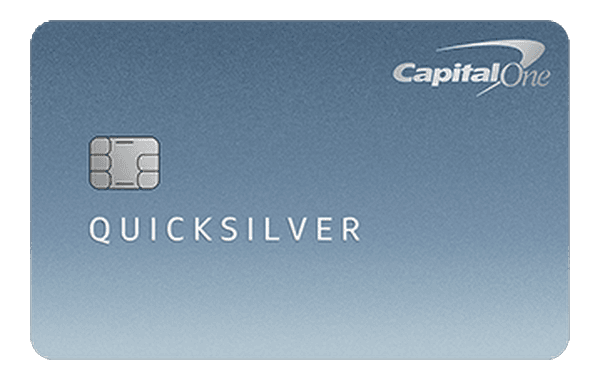
Capital One Quicksilver
Capital One
- Our rating
- 7.4/10
- Welcome bonus
- Under review
- Bonus value
- Withheld
- Annual fee
- Under review
- Credits, max/yr
- Under review
- Foreign txn fee
- Under review
Top earning rates
- Under review
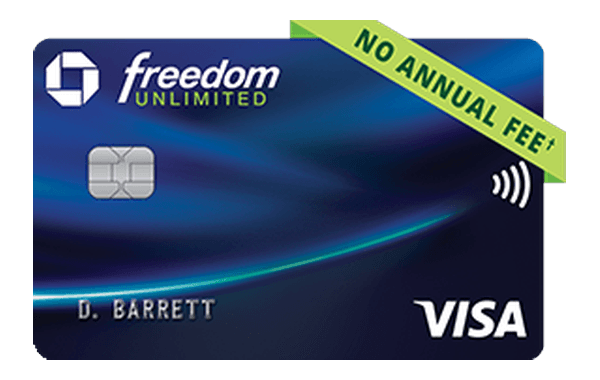
Chase Freedom Unlimited
Chase
- Our rating
- 8.4/10
- Welcome bonus
- 20,000 points
- Bonus value
- ≈$200
- Annual fee
- $0
- Credits, max/yr
- $0
- Foreign txn fee
- 3%
Top earning rates
- 5x Chase Travel purchases
- 3x Dining and drugstores
- 1.5x All other purchases
Where Each Wins
Base rate
TieBoth earn 1.5% on general purchases, and both trail the flat 2% cards on pure rate. Neither should be your forever catch-all on its own.
Bonus categories
CFUThe Freedom Unlimited adds 3x on dining and drugstores and 5x on Chase Travel, sneaky strong for a free card. The Quicksilver has no bonus categories beyond 5x on hotels and rental cars booked through Capital One Travel.
Foreign transaction fees
QuicksilverThe Quicksilver charges none, rare on a no-fee card. The Freedom Unlimited charges 3%, which rules it out as a travel companion abroad.
Welcome bonus
TieBoth pay $200 after $500 in three months, among the easiest bonuses anywhere.
Ecosystem upgrade path
CFUNext to a Sapphire Preferred or Reserve, Freedom Unlimited cash back becomes Ultimate Rewards points worth 2 cents or more via transfer partners, the core of the Chase Trifecta. The Quicksilver's parallel trick, converting to miles beside a Venture X, works but Capital One's premium approval odds are less predictable.
Intro APR
CFUThe Freedom Unlimited carries a 0% intro APR window on purchases and balance transfers, plus purchase protection and extended warranty. The Quicksilver's protections are thinner.
The Compound Verdict
The Freedom Unlimited is the better card for most people: the 3x dining and drugstore rates beat the Quicksilver on real-world spend, and its future as the catch-all in a Chase points setup gives it a ceiling the Quicksilver cannot match. Pick the Quicksilver in two cases: you spend abroad and need the no-foreign-fee free card, or you are under Chase's 5/24 limit and saving slots. Either way, take the easy $200, and plan to graduate beyond 1.5% eventually.
Our ratings give it to the Chase Freedom Unlimited (8.4 vs 7.4). Current welcome-offer comparisons are withheld until both official-source checks are refreshed.
Read the full reviews for the complete math: Quicksilver review and CFU review, or put them side by side in the comparison tool.
Common Questions
Is the Quicksilver or Freedom Unlimited better?
The Freedom Unlimited for most people: same 1.5% base but with 3% on dining and drugstores, an intro APR window, and an upgrade path into Chase Ultimate Rewards next to a Sapphire. The Quicksilver wins if you spend internationally, since it charges no foreign transaction fee and the Freedom Unlimited charges 3%.
Do the Quicksilver or Freedom Unlimited have foreign transaction fees?
The Quicksilver has none. The Freedom Unlimited charges 3% on foreign purchases, so leave it home when traveling abroad.
Can Freedom Unlimited cash back become travel points?
Yes. If you also hold a Sapphire Preferred, Sapphire Reserve, or Ink Business Preferred, Freedom Unlimited earnings pool as full Ultimate Rewards points and transfer 1:1 to partners like Hyatt and United, where they routinely beat 1 cent each. This pairing is the main reason to choose it over the Quicksilver.