
Amex Blue Business Plus vs Chase Ink Business Unlimited
By Alex Compton · Updated
The Blue Business Plus and Ink Business Unlimited are the two essential no-fee business points cards: flat-rate earners whose points become fully transferable currencies. The BBP earns more per dollar; the Ink pays a vastly bigger bonus. The deeper question is which ecosystem, Membership Rewards or Ultimate Rewards, you want your business feeding.
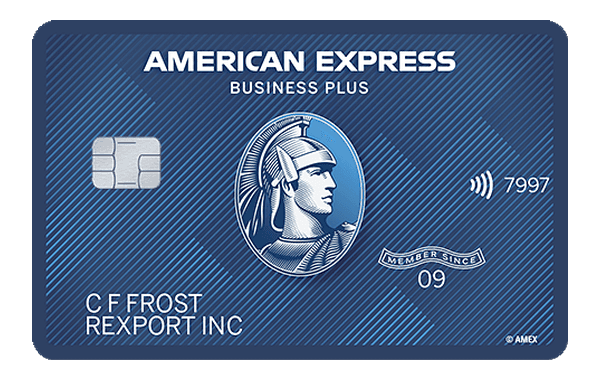
Amex Blue Business Plus
American Express
- Our rating
- 8.6/10
- Welcome bonus
- 15,000 points
- Bonus value
- ≈$300
- Annual fee
- $0
- Credits, max/yr
- $0
- Foreign txn fee
- 2.7%
Top earning rates
- 2x All purchases (up to $50k/yr)
- 1x Above $50k/yr
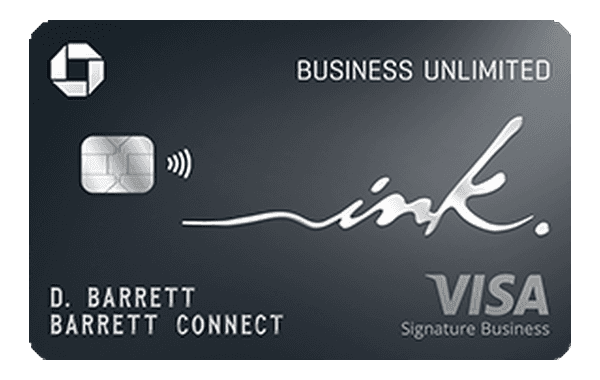
Chase Ink Business Unlimited
Chase
- Our rating
- 8.7/10
- Welcome bonus
- 100,000 points
- Bonus value
- ≈$1,000
- Annual fee
- $0
- Credits, max/yr
- $0
- Foreign txn fee
- 3%
Top earning rates
- 1.5x All purchases
Where Each Wins
Earning rate
BBPThe BBP earns 2x Membership Rewards on everything up to $50,000 a year, the best no-fee transferable rate in existence. The Ink Unlimited earns 1.5x, uncapped.
Welcome bonus
CIUThe Ink Unlimited pays 75,000 points ($750, or $1,500+ transferred beside a premium card) after $6,000 spend. The BBP's 15,000-point bonus is a rounding error by comparison.
Transferability
TieBBP points are full Membership Rewards on their own, no other card needed. Ink points require an Ink Preferred or Sapphire in the household to unlock transfers, otherwise they are 1-cent cash back.
Spending cap
CIUThe BBP drops to 1x past $50,000 a year. The Ink's 1.5x never caps, so higher-volume businesses flip the earning comparison at roughly $150k of annual spend.
Anchor value
BBPThe BBP keeps a Membership Rewards balance alive forever at no fee, the standard parking spot when downgrading from a Gold or Platinum. Chase points survive on any no-fee Freedom card, making the Ink less structurally necessary.
Foreign fees
TieBoth charge foreign transaction fees (2.7% and 3%). Neither travels.
The Compound Verdict
Take the Ink Unlimited's bonus first, $750 minimum for $6,000 of spending you were doing anyway, then decide what your business earns long-term. For steady sub-$50k spend feeding transfer partners, the BBP's 2x is the best no-fee engine in business cards and the permanent anchor for any Membership Rewards strategy. The mature answer for points-focused operators is both: Chase bonus captured, Amex engine running, two elite currencies compounding at zero annual fee.
Our ratings give it to the Chase Ink Business Unlimited (8.7 vs 8.6). On current welcome offers, the CIU brings the bigger first-year haul at ≈$1,000.
Read the full reviews for the complete math: BBP review and CIU review, or put them side by side in the comparison tool.
Common Questions
Is 2x Membership Rewards better than 1.5x Ultimate Rewards?
Per dollar, yes: at roughly 2 cents per point transferred, the BBP returns about 4% in travel value versus 3% on the Ink. The Ink's counterweights are its 75,000-point bonus, its uncapped earning, and Chase's Hyatt access, which many travelers value above any Amex partner.
Do Blue Business Plus points transfer without another Amex card?
Yes, the BBP earns full, transferable Membership Rewards by itself, unusual for a no-fee card and central to its role: people downgrade from a Business Gold or Platinum to the BBP to keep their points balance alive at $0 forever.
Which bonus is easier to get?
The Ink's is bigger but needs $6,000 in three months; the BBP's 15,000 points need only $3,000. Note Amex's once-per-lifetime bonus rule and Chase's Ink velocity tightening: sequence business card applications deliberately, biggest bonuses first.